
On a July afternoon this year, in a village outside Lilongwe, Malawi, a trader walked up and asked Anna-Laura Seifermann a question: what is Wave?
She sat down with him on a bench outside one of the shops that doubled as someone’s house and started explaining.
He was a trader who travelled to the city sometimes to sell, sending and receiving money two or three times a week, around 100,000 Malawian kwacha ($57) each time, with a mobile money provider he had no complaints about and two children in school. Everything was fine.
She showed him the numbers anyway. His current operator was charging him 4,300 kwacha ($2.48) per transaction while Wave charged 1,000 ($0.58) for the same transaction. If he used Wave for just ten transactions a month, he had saved enough to cover school fees for both children, 15,000 kwacha per term each, without changing anything about how he worked.
He had been using a service he trusted without knowing what it was costing him.
The first people to sign up with Wave in any new market are the hardest, because someone has to give their money to a stranger and trust that their partner can collect it from a stranger somewhere else.
Anna-Laura is a Country Launcher at Wave Mobile Money, a multi-billion-dollar fintech unicorn that provides affordable digital financial services to over 20 million active users across Africa. The job title is almost comically compressed. What it actually means: she arrives in a country where Wave has a license and little else. There are no agents, only a small office space, and only a handful of colleagues in-country. She scouts the market, makes the first field hires, finds the first users, and builds the operation from scratch within 6 to 18 months. Then she moves to the next one.
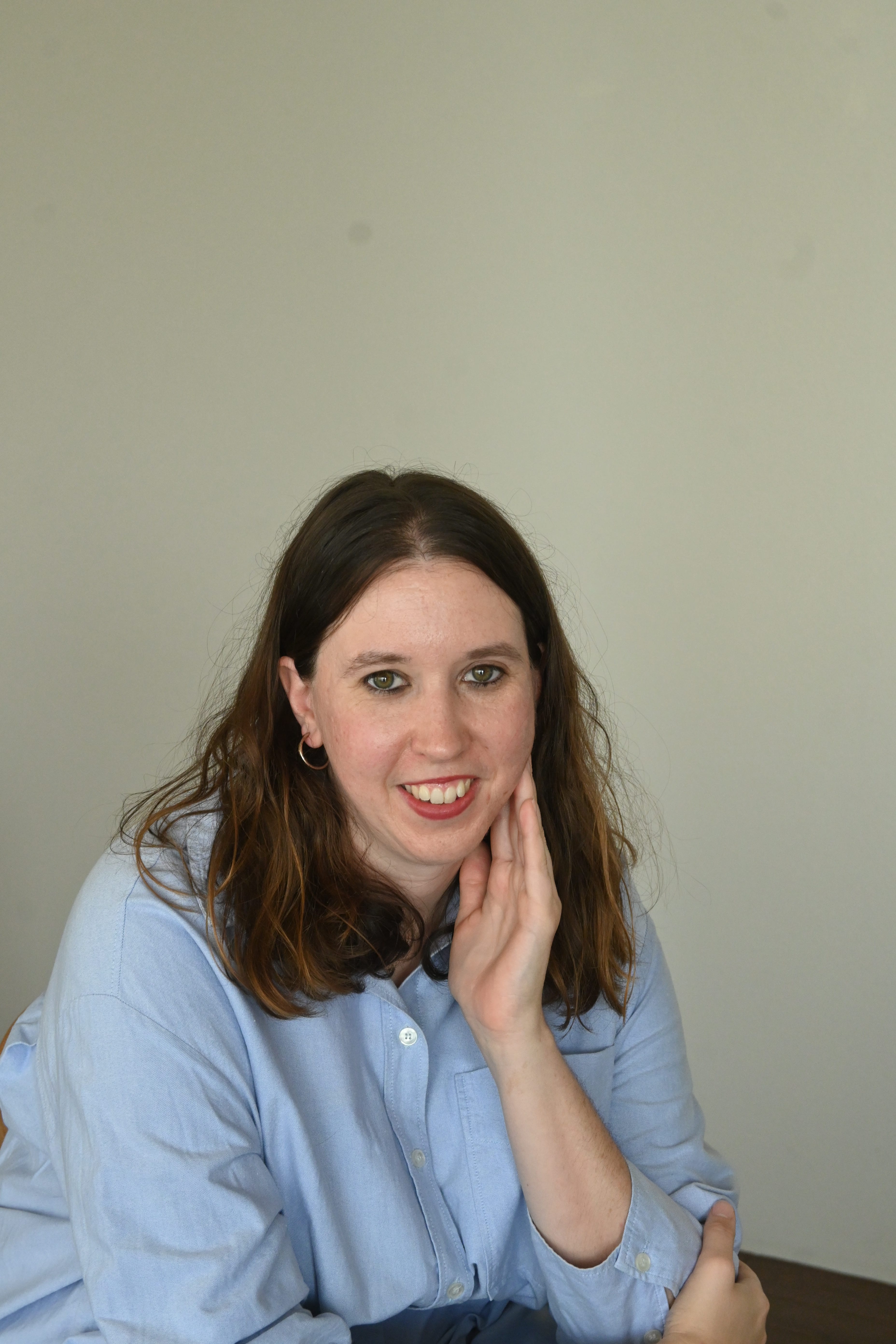
She did it in Cameroon for nine months. She is doing it now in Malawi, four months in. Before Wave, she worked at Viamo, a Canadian company delivering vital information by phone to users who couldn’t access the internet. Before that, she consulted in Rwanda. She came to all of it from grad school in Copenhagen, Denmark, and a conviction that technology was a stronger lever than development aid.
None of that had prepared her for the field. She had never launched a market. Never worked in mobile money. Never managed a team entirely in French. Her onboarding peer was on paternity leave when she landed in Douala. The first three weeks, she says, were the hardest of her professional life.
She thinks they were also the most useful.
This conversation focuses on what she learned launching Wave in Cameroon and Malawi, where most of her instincts were formed.
It has been edited for clarity and length.
You came to Cameroon having worked across development, tech infrastructure, and last-mile content delivery. But mobile money was new, and so was full-time French. What were the first few weeks actually like?
In my previous roles, I had run the Sales Operations and Marketing functions of a multi-national company, overseen the country activities in Zambia and Botswana and worked on a few unsuccessful ventures on the side. But I did not work in mobile money before and my French at that point mixed with Wolof from Senegal and had actually weakened. The first thing I had to do when I arrived in Cameroon was talk to people at markets, in French, about a product I was still learning myself. It requires a fast speed of learning, pivoting and adapting to a new environment.
The first two weeks, I think a lot of people didn’t understand me, and nor did I. But you don’t have a choice. I couldn’t speak French fluently. So I had to go through it. I wrote down a list of mobile money vocabulary before I arrived. But when you’re at a market and people are coming up with words you haven’t encountered yet, you just have to learn them.
One of our early agents in Cameroon told me at the end that when I first came, he had no idea what I was saying. He was just trying to guess. He later said my French had become so good he could understand me now. I’ll take it.
What I noticed, though, is that having a rough start forced me to listen more. When you don’t know what to do and can’t fully communicate, the first thing you do is observe. And when you feel like you already understand something, you stop doing that. You skip ahead. So those three weeks gave me something my competence would have taken away.
The Country Launcher role is employee one, sometimes two. What does the mandate actually look like when you arrive?
I’m usually employee number two when I arrive and we have to build everything from scratch. I work in tandem with a local colleague who knows the context well and has extensive experience in the field while I come in as a launch specialist.
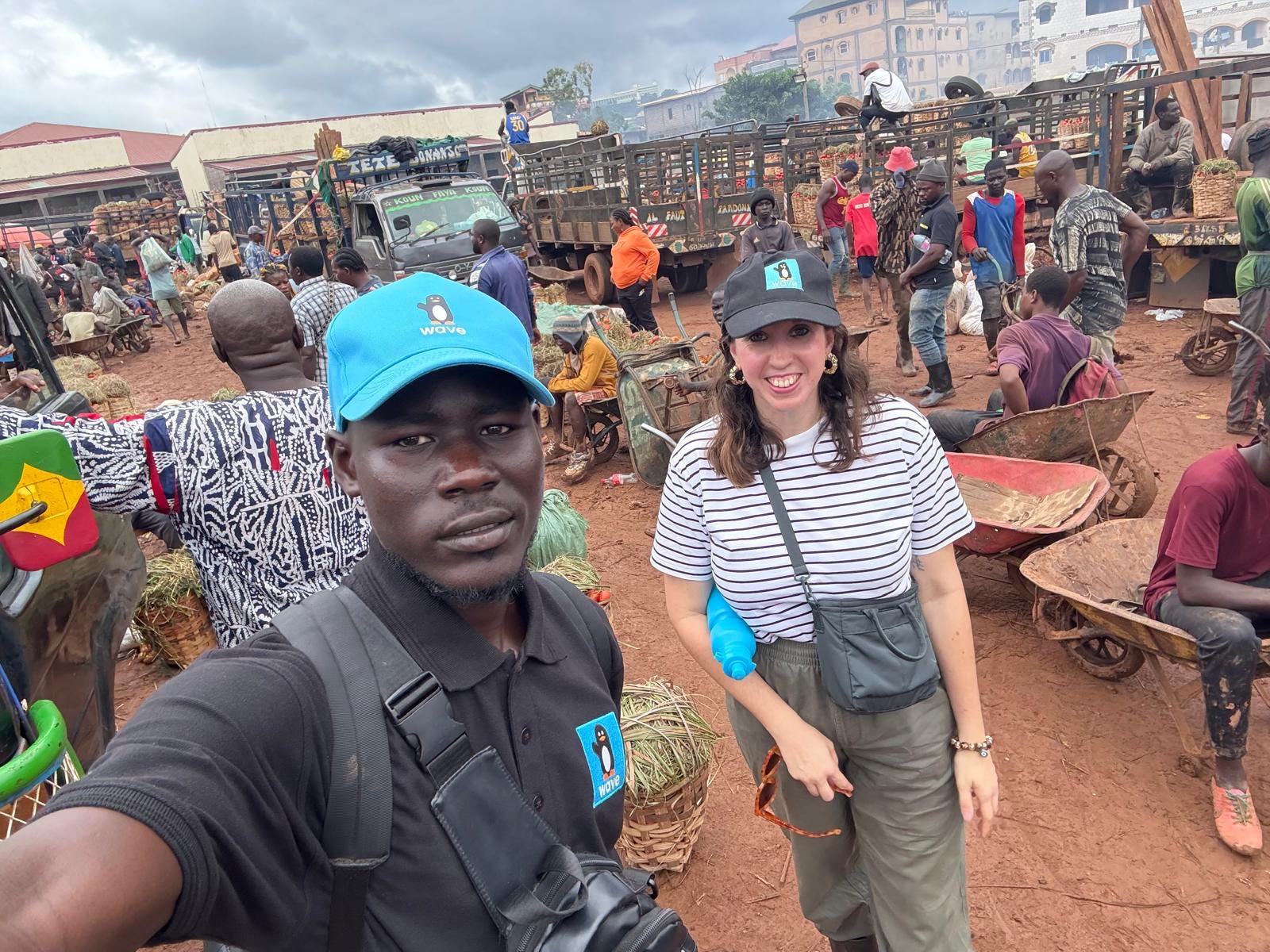
The first thing I do is travel. The whole country. I need to understand where our use cases are, where money moves, which areas make sense to focus on. You’re making bets, so you try to get as much data as possible before you commit. Some bets will be wrong. That’s part of it.
Agents come from the same process. I don’t pick locations because they look right on a map. I talk to users first. Where do they go? How do they move money? The agent network has to be built around actual behavior, not what seems logical from the outside.
I still do this now. Even in Malawi, four months in, I know most of our agents and I’ve met most of our early users. In the first month, I knew every user by name. They all knew me. People have stopped me in different cities because they recognized me from a market somewhere else. In Cameroon it happened, and it’s happening here.
When do targets come in?
Really quickly. The first one is simple: a date for the first transaction. Once we have agents, the targets grow from there. The targets are set by my manager, based on what’s realistic for a team that might have been in their roles for two weeks.
If you put targets that are completely out of the realm of possibility, it’s not going to get you anywhere. It’s going to be demotivating. You have to be ambitious but also honest about what’s actually manageable.
How do you manage a team that you’re also still building?
At the beginning I manage everyone directly. Then, as the team grows, I bring in senior hires.
Bi-weekly one-on-ones are the minimum. Most people hear from me at least once a week. And I still do field visits myself, often unannounced.
When people know you’re coming, they try not to show problems. For me, it’s good to know what the problem is. Not because I’m going to be mad, but if I don’t know, I can’t fix it.
Wave’s pricing is 1% across all markets. When you’re entering a market where Airtel or TNM already have years of relationships, how do you actually break through?
Pricing is the first conversation we have with users. Most mobile money operators have pricing ranges, so people often don’t even know exactly what they’re paying. They just know it’s expensive. 1% is easy to understand. You can tell someone: if you send 10,000, you pay 100. That’s the whole explanation.
We also don’t charge on deposits or withdrawals. So people can keep money in their wallet without it costing them anything just to have it there. That matters when people are already used to paying to move money in every direction.
Beyond pricing, what else gets people to use Wave?
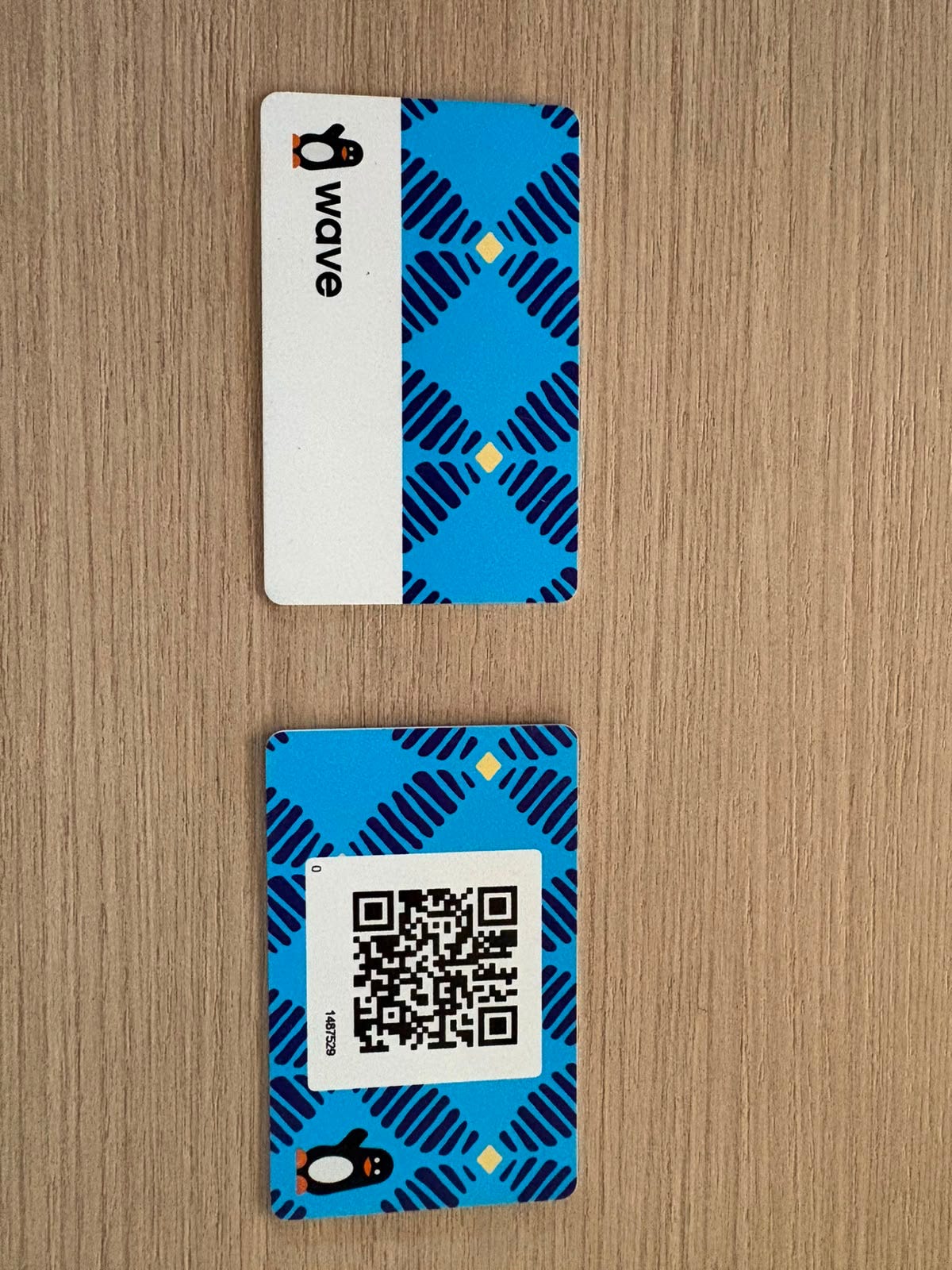
The application itself. It’s designed to be usable by people with any level of literacy. Very visual, very simple. One other thing that moves the needle is the QR card.
A lot of our users don’t have smartphones. So we give them a physical card with a printed QR code on it. They go to an agent, the agent scans the card, and the transaction goes through. No smartphone needed. No long account numbers to type in manually. It’s essentially a printed version of the app that sits in your pocket.
At launch, our marketing is flyers and branding at the agent point. That’s it. No campaigns. No mass market spend. It’s very hands-on, and you have to be comfortable with the scale of that.
You hire everyone yourself. What are you actually looking for?
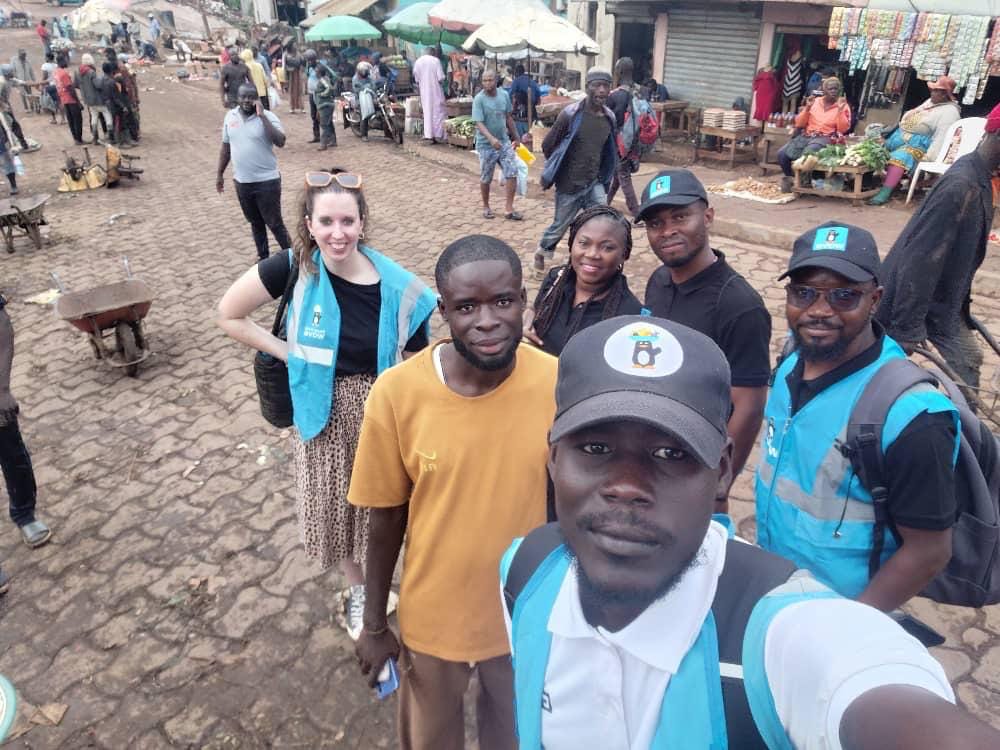
Everyone I’ve hired, I’ve spoken to personally. The interviews at Wave are quite intense. But beyond that, I’m looking for people who can be in the field. Field work is different from office work. You’re at markets, you’re out in the heat, you’re handling objections from people who are skeptical about giving their money to someone new. You need people who can sit with discomfort and keep moving.
As I mentioned before, it is quite important to have a diverse team and the reality is that there are fewer applications by women than by men. When I encounter women with a good fit and relevant field experience in the hiring process, it is quite important to convince them to become part of the team. Once we have more women in the team, it becomes easier to encourage women to see themselves in such roles.
Who decides when to hire more people, and how does that conversation happen?
It’s often not predetermined. We look at other countries to understand what’s needed at different stages, but the real driver is what’s happening in the market.
I communicate with Wave’s CEO every day. Sharing a reflection of what’s happening on the ground, what I’m seeing, what’s working. So he’s never far from the reality of the country. Hiring decisions come out of those conversations. Sometimes I’m the one saying I think we need a headcount raise here. Sometimes he looks at things and says I think we should be hiring more. It goes both ways.
The more growth we have, the easier it is to make the case. The data has to support it. At Wave we’re quite data-driven, so you find your data points or you don’t make the move.
You mentioned that building community in this role is difficult. You’re rarely in one place for more than two weeks. What’s it like?
It can be a lonely job. You’re always around people, but you are alone in it. Your base is somewhere else, and your friends are scattered, and when you’re on leave you’re calculating: do I see my family in Germany, do I go back to Dakar, do I take the trip I’ve been wanting to take?
But it doesn't faze me because I'm good at building loose contact quickly. Living abroad for 11 years helps. I know people across the continent, and when I arrive somewhere, often there’s a friend of a friend. But you also can’t always tell people how long you’ll be there. So you’re one of those friends who’s there for now.
You speak six languages and have lived and worked across 11 countries. When you’re entering a new market, how does that cultural range actually shape the way you read people, build trust, and adapt your approach — and is there a moment from Cameroon or Malawi where you felt it make a difference?
Language is the first thing. I’ve worked mostly in English, which is my second language, and launched Cameroon almost entirely in French, which is my fourth. There’s something that happens when you show up somewhere and try to speak the local language, even badly. People receive you differently. In northern Cameroon I learned some words of Fufuldé, just enough to greet people at a market, and you could see the shift immediately. It costs you nothing and it opens something.
But speaking a language is different from understanding a culture, and I’m aware I still have blindspots. Living and working across 11 countries gives you pattern recognition but it doesn’t make you an insider. What it does is make you more honest about what you don’t know, which is probably the more useful thing.
That’s why launching is a collective effort. I bring observations, strategy, and experience from previous markets. The local team brings everything else — the relationships, the cultural context, the understanding of how people actually move and think in that place. Neither works without the other.
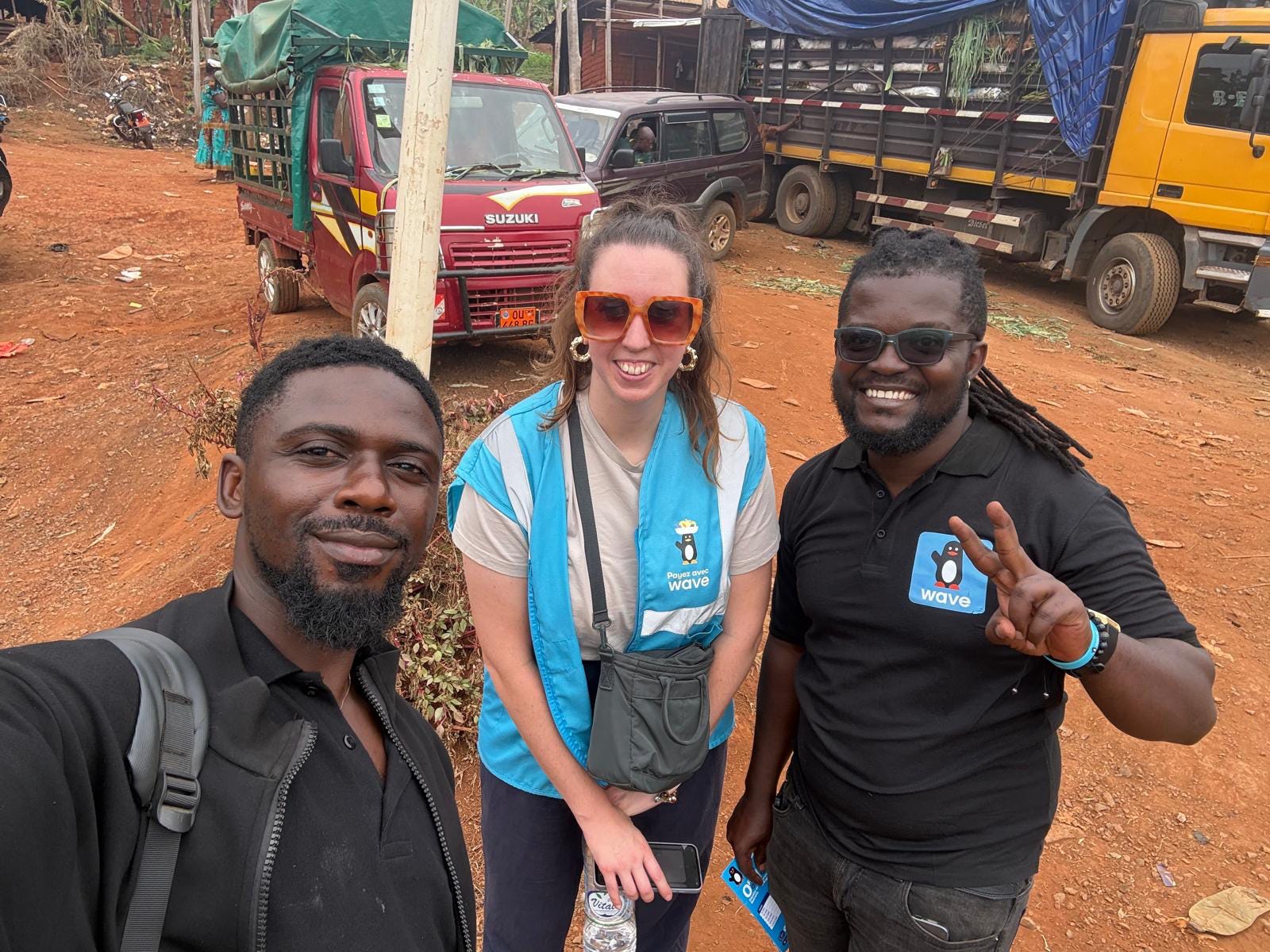
Every market is different. What did Cameroon teach you that Malawi then challenged?
You come with a plan and then you have to adjust. You can’t come from a place of assumption because you will assume a lot. You really have to listen to the context.
Trust works differently too. In Cameroon, people trust within their communities. That’s a specific kind of trust you can work with. Here in Malawi, people don’t easily trust anyone with their money. That’s a harder starting point. You have to earn something more general before the community trust even becomes relevant.
Infrastructure shapes everything else. Cameroon has good domestic flight connections, so people move around, markets are accessible, you can cover ground quickly. In Malawi there are almost no domestic flights. You travel by land. That changes how you deploy a field team, how long things take, how often you can show up somewhere.
And then there’s adoption. Cameroon has much higher mobile money penetration and much higher smartphone adoption.. There are serious FX issues, which makes devices expensive and keeps people further from digital financial tools. You’re not just launching a product. You’re often making the case for mobile money itself.
Even the labor environment is different. Francophone countries have much stronger labor protections than Anglophone ones. That affects how you hire, how you structure contracts, what your obligations are as the team grows.
You have Southern Africa, Central Africa and West Africa within the same continent. But they’re very different places.