
At Wasoko, Patricia Ndikumana learned that what looks like a good deal and what the market will accept are often two different things.
She saw it more than once: a manufacturer would come in with a new product, reasonable terms, and a decent demand in the category. But when it hit the market, it didn’t move.
The customers in the informal retail markets Wasoko served just weren’t buying this brand. They stuck to what they already knew, and for certain product categories, that loyalty is almost impossible to shift without serious investment in market education, sustained presence, and time.
That tension, between what looks like a good deal on paper and what the market will actually accept, became one of the anchors of how Patricia thought about partnerships at Wasoko.
The company, formerly known as Sokowatch, is a B2B e-commerce platform that connects manufacturers and FMCG suppliers to informal retailers across Africa. By the time she joined, it had raised its $14M Series A and was operating in Kenya, Tanzania, Rwanda, and Uganda simultaneously.
She came to the role with prior skin in the game. At Jumia, where she worked as a vendor manager in the TV category, she got her first lesson in what it means to be accountable for a product category in a market you do not fully understand yet. Her work gave her a bird’s eye view of the full supply chain — sales, procurement, warehousing — moving at speed. Then at Africa’s Talking, she spent close to two years doing international expansion into francophone West Africa, embedded for months at a time in Ivory Coast and Senegal.
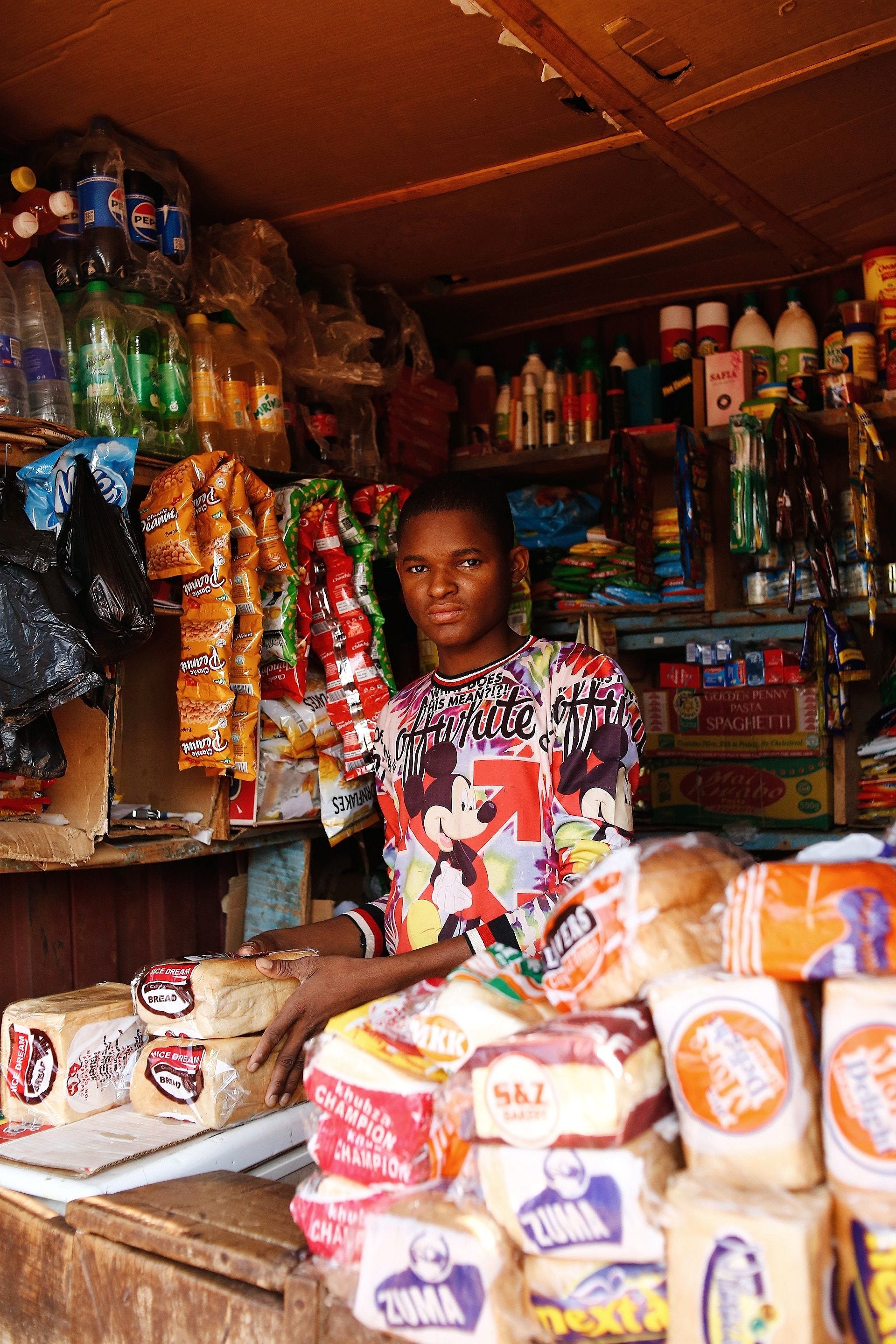
She joined Wasoko in 2019 as East Africa Partnerships Manager, covering all four markets at once. By 2021, she was Head of Partnerships, overseeing supplier relationships as the company pushed into West Africa.
Patricia left Wasoko in early 2024. She now works as a consultant on marketing and growth.
This conversation covers her time running partnerships at Wasoko, through the West Africa and DRC expansion. It has been edited for clarity and length.
What did a good manufacturer relationship actually look like at Wasoko?
From my perspective A good manufacturer relationship has to do with understanding each other’s business strategy over the coming year. It’s not just about closing a deal in the short term. The manufacturer informs you of who else he’s working with, his growth plan, his expansion plans, so that you can align yours to his, or compromise in between.
What you don’t want is to find out he’s gone to a competitor without telling you. Or made decisions that affect your supply without any warning. So you have to manage them upwards. And you have to be fair in your negotiation. It can’t always just come down to price.
What we would do is create a joint business plan. We sit, we write out how we can benefit each other. So a good relationship means your counterpart, whether you’re dealing straight with an executive or someone on the ground, they need to inform you. And you need to do the same going the other way. When there are big plans on your side, disclose as much as you can without compromising strategy. The last thing they want is to find out you’ve expanded somewhere and they weren’t prepped.
Have regular conversations and written goals, quarterly or monthly, it helps you to have something to work towards.

Credit terms are an obvious thing to push for early. How did those negotiations play out?
Most suppliers won’t give you credit terms off the bat. You buy cash first, you build your reputation, and as they see how often you’re buying, that’s when credit terms come in.
Because they’re also looking at this: if you have credit terms but you’re not selling the product, it becomes dead stock. Who is the credit term actually working for?
You have to be careful of locking yourself into a credit term too early. That’s a risk. You might lock yourself into a contract for a year with, for example, say, $10,000 in credit terms. But you didn’t foresee that your company was going to grow 20x and you actually needed $50,000. And now you’re stuck.
So I’d rather have something in writing that is progressive. A supplier who watches you build and gives you terms when you’ve actually earned them.
Was there a partnership experience that did work out? What did you learn from it?
My answer is yes and no. There are many. Sometimes, when a product doesn’t move in the market, it has nothing to do with the manufacturer.
Here’s an example. Take a product with great pricing. We tried everything but people weren’t buying, so the partnership didn’t work out. Those situations taught me that it wasn’t that people didn’t need the product. Sometimes, the market had already decided which brands it trusted for something with those stakes. Anything new had to fight against that. And not all manufacturers are able to invest what it takes to shift that kind of trust.
So the first question for me is always whether there’s genuine demand and whether the manufacturer understands what it’s going to take to build it. Because you’re not just negotiating a supply deal. You’re asking them to fund market education, train your sales team on their product, come into the shops.
What we also started doing is giving our sales team a product mix target. For example, commodity products move because the market already wants them. Competition is on price, and the volumes are there. The challenge is building a basket around them that actually improves your margins.
So we started challenging the team to push other products alongside the commodities. We’ll say things like, this month, I want a product’s sales to grow by a certain percentage. Then we track it month on month.
We’ve actually seen brands that started at almost nothing and grew exponentially because they helped us incentivize the sales team to push their product. And then when you go back to renew the joint business plan, your negotiation is completely different. They’ve seen what you can do. The credit terms, the discounts, you’re getting them now because you’ve earned them.

You spent a few years leading partnerships across East Africa and then Wasoko decided to move to West Africa. What was different about that?
When you’re expanding into a new region, the biggest thing you have to solve for is information flow. It’s not just about ensuring that information from leadership reaches the teams on the ground. How do you make sure insights, challenges, and feedback from the teams are also flowing back up and actually informing decisions? Both directions matter.
Language is an obvious one. Having bilingual people across both teams can help bridge some of those gaps. But you also need to think about what other mechanisms are needed to make sure the right information is reaching the right people at the right time.
And there’s no substitute for being embedded in a market. You need to understand the local context, how people communicate, how they work, and then adapt your approach accordingly. Whether that’s from a people, communication, or tools perspective. You can’t figure that out from a distance.
The DRC entry was structured differently from Senegal and Côte d’Ivoire. What did that look like on the ground?
The DRC came from a different opportunity entirely. I was put as the project manager.
The core question was: which products move in that market, at what price and how do we operate? Prices in DRC fluctuate a lot. So it’s about hiring the right person on the ground to do market research, and then figuring out how much you trust their numbers. Because you don’t have a reference point. You have to understand how prices are set, how quickly they move, what that means for your margin, and then decide when to hold and when to push product out.
It sounds very fancy. But the reality is it comes back to the same thing as always: what does the customer actually buy, and what will they pay?
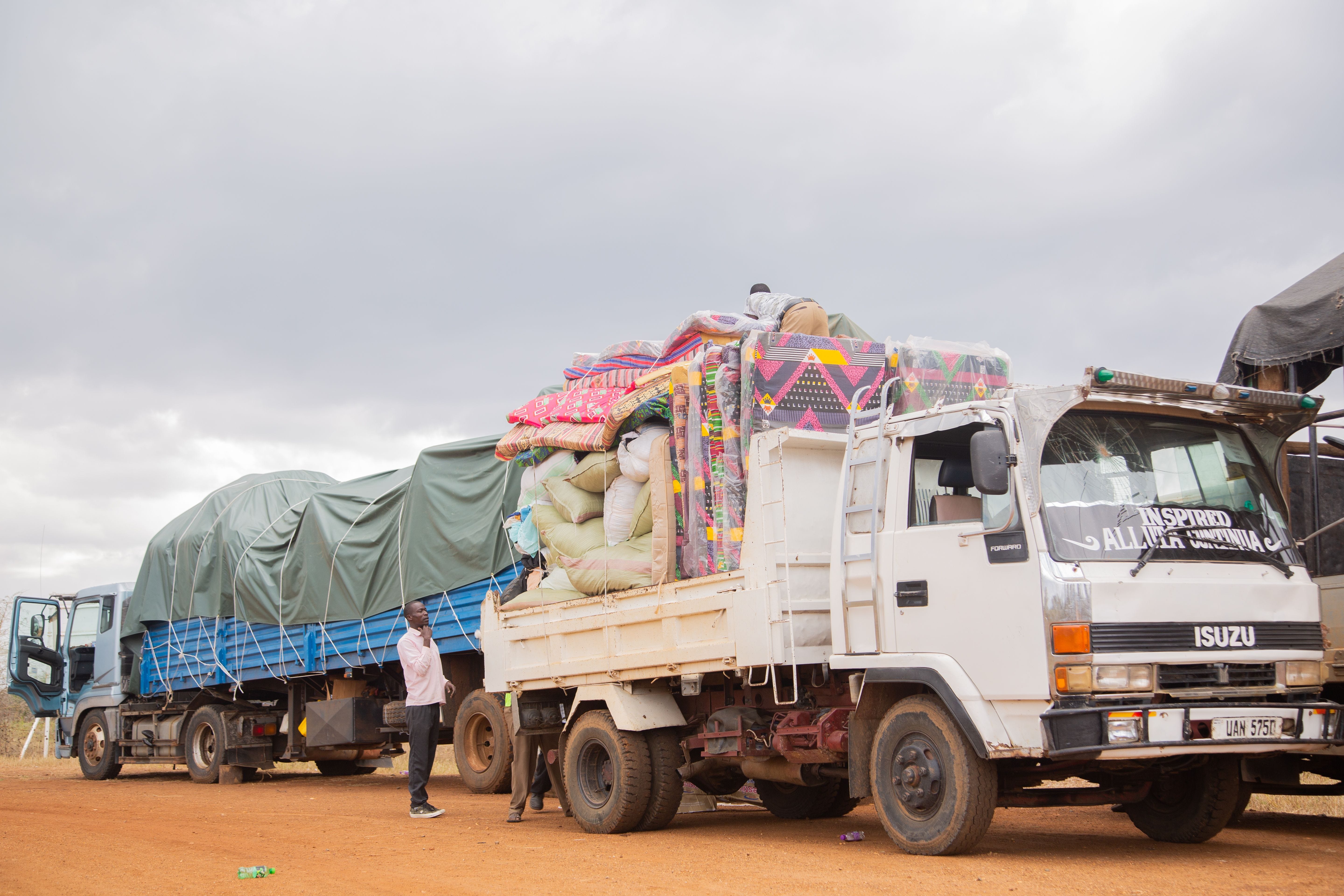
After a while as Head of Partnerships, you moved on to become Head of Customer Insights. Whose idea was that, and what pushed it?
It came out of the work itself. When you’re doing the monthly projections of what you can move through partnerships, you’re working constantly with the sales team. And when they’re not hitting targets, if you actually listen, they’ll tell you: this product doesn’t move because of quality, because of packaging, because the market in this area already has a brand it prefers. That becomes insight. And as a middleman, you’re picking up information from the market that the manufacturer’s own sales team doesn’t always hear.
After two years, you understand the levers: product, price, joint business plan, by moving with the sales team.
So that’s how it started. We had a small number of people from the sales team giving us feedback. Then we grew into something else. We started going into the market directly, spending real time in shops, observing what was moving and what wasn’t, by product, by area. We started understanding our share of wallet within specific areas, what we were missing in our basket, which brands were moving that we didn’t carry.
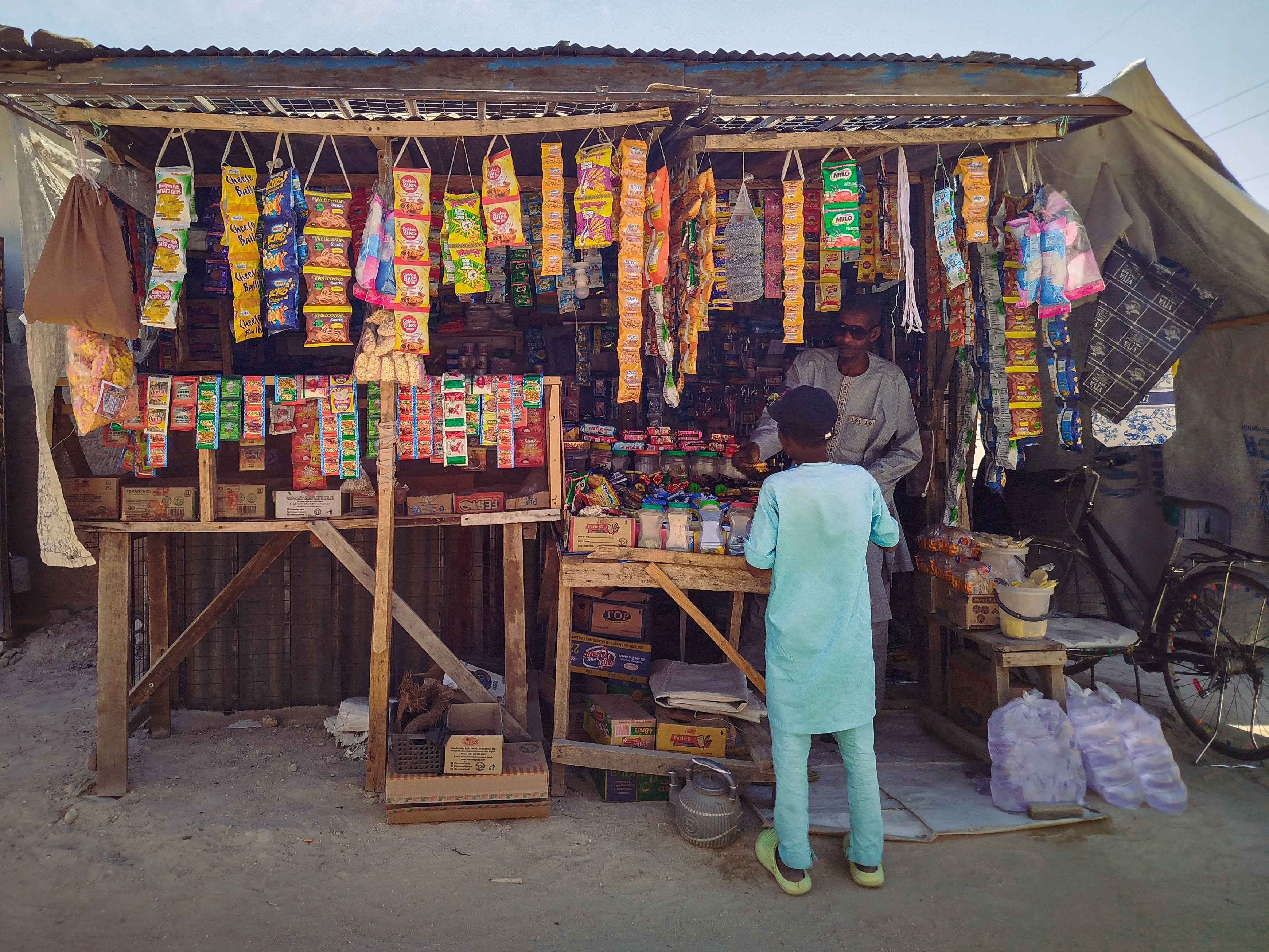
And what it taught me, honestly, is that sometimes we overcomplicate data collection. A lot of data is obtained verbally. Your team talking to a shopkeeper gives you information. When you do that for just ten, twenty or thirty shopkeepers a month, then you start seeing patterns. If price comes up every single time, you can’t just brush it off. Someone else is selling to them cheaper. Either you go back to your supplier and fight for a better deal, or you accept you’re losing that customer.
Even as I consult with a lot of startups, I tell people to just do it. Ask the person. Ask ten people. Look at what they’re buying, l. It’s not as complicated as we make it.